

It is important for diabetes patients to check their blood sugar daily. This helps understand whether the sugar level is high or normal at a specific time or day. For this, a glucose meter is used, which is easily available at any pharmacy nowadays. By doing a simple finger prick at home, you can check your fasting or post-meal sugar levels.
But there’s another test that is even more important, it’s called the hemoglobin A1C (HbA1C) test. This test gives a long-term snapshot of your blood sugar.
What is an HbA1C test?
An HbA1c test tells you what your average blood sugar has been over the last two to three months. The test is also called A1C, glycohemoglobin, glycosylated hemoglobin, and glycated hemoglobin.
The carbohydrates from your food break down into a simple sugar, glucose. This glucose travels through the blood and provides energy to the body’s cells. Insulin, a hormone produced by the pancreas, helps move glucose into the cells. But in diabetes, either the body doesn’t produce insulin, or the cells don’t use it properly. Thus, the glucose starts accumulating in the blood, and the sugar level becomes high.
When blood glucose is high, the glucose doesn’t just stay in the bloodstream; it also sticks to a protein inside red blood cells called hemoglobin.
The HbA1c test checks what percentage of your red blood cells have glucose attached to their hemoglobin. The higher the blood sugar, the more glycated (glucose-coated) the hemoglobin becomes.
The lifespan of red blood cells is about 3 months. During this time, the amount of glucose that attaches to them is measured. This is why the reading is taken quarterly.
If your HbA1c level is high, it means your sugar has been consistently high over the last 3 months.
If the test shows a higher number and is not controlled, high blood sugar can lead to long-term complications of diabetes, such as:
- Heart disease
- Kidney damage
- Nerve damage (neuropathy)
- Eye problems (retinopathy)
An HbA1C test may be used for different purposes:
To screen for prediabetes. This is when you have higher than normal blood glucose levels but not high as to be considered full-blown diabetes. Usually, the doctor advises HbA1c when you have a risk of developing diabetes or have a family history.
To diagnose and screen for Type 2 diabetes. In type 2 diabetes, your body doesn’t make enough insulin or doesn’t use it well, which causes the glucose to stay in your blood and lead to symptoms like excessive thirst, frequent urination, tingling or loss of sensation in the feet and hands, blurred vision, and feeling extremely tired.
If you are a diabetic, an A1C test is used to monitor your condition and determine how effectively you’ve managed your blood glucose levels.
What Happens During an HbA1c Test?
During an HbA1c test, a healthcare professional will take a small sample of your blood from a vein in your arm using a thin needle. You might feel a slight pinch or sting when the needle goes in or comes out, but it’s usually not very painful. The whole process is quick and takes less than five minutes. The collected blood is then taken to a lab for testing.
How to Understand Your HbA1c Results
Here’s a general idea of what different results may indicate:
Below 5.7% – This is considered a normal range.
Between 5.7% and 6.4% – This comes in the prediabetic range, which means you may be at risk of developing type 2 diabetes in the future.
6.5% or above – This confirms diabetes and shows there is a high amount of sugar in your blood.
While an HbA1c below 5.7% is considered “normal” and under 7% is the common target for people with diabetes, the truth is, every individual’s target might be different. Your doctor is the one who will suggest the right HbA1c target goal depending on your current health, medication plan, and risk factors.
Here is how targets may vary:
If you are at risk of developing type 2 diabetes
Your doctor may aim to keep your HbA1c below 6% (42 mmol/mol). This is the stage where blood sugar is still manageable through diet, exercise, and lifestyle changes and often without medication. The idea is to prevent progression to full-blown diabetes.
If you are living with type 2 diabetes
Most people with type 2 diabetes are advised to keep HbA1c under 6.5% or 7%. But this depends on how long you’ve had diabetes and whether you have other health concerns. A slow and steady drop is better than forcing a rapid change that might cause low blood sugar episodes.
If you are in remission from type 2 diabetes
Remission means your blood sugar levels have returned to a healthy range without the use of diabetes medications. Researchers often use 6.5% (48 mmol/mol) or lower as a marker for remission. This doesn’t mean diabetes is “cured,” but it does show excellent control.
If you are older or have other health risks
As you age, your doctor might slightly raise your HbA1c target. For example, keeping it at 7.5% or even 8% might be safer for some people. That’s because the risk of hypoglycemia (very low sugar) and its side effects, like dizziness or falls, can be more dangerous than slightly elevated sugar.
When Should You Get the HbA1c Test Done?
If you’re 45 years old or above, you should get the HbA1c test done at least once, whether you have symptoms or not. And if you’re under 45 but slightly overweight or have a higher risk of diabetes (like family history, high BP, PCOS, or a sedentary lifestyle), then this test can be quite useful for you too.
If your result comes out fine, you should repeat this test once every 3 years, just to keep things in check.
How to Lower Your HbA1c Naturally?
If your HbA1c level is slightly high, there’s no need to worry. It simply means that your blood sugar has been a bit elevated over the past few months, but it’s still manageable, especially if you’re in the early stages or have been diagnosed with prediabetes.
The first step is to make some small changes to your lifestyle. As blood sugar starts to rise, your body’s insulin response can slowly weaken. That’s when simple things like taking a 30-minute walk daily, eating a lighter dinner, and cutting down on rice and sugary drinks can start making a noticeable difference in your reports.
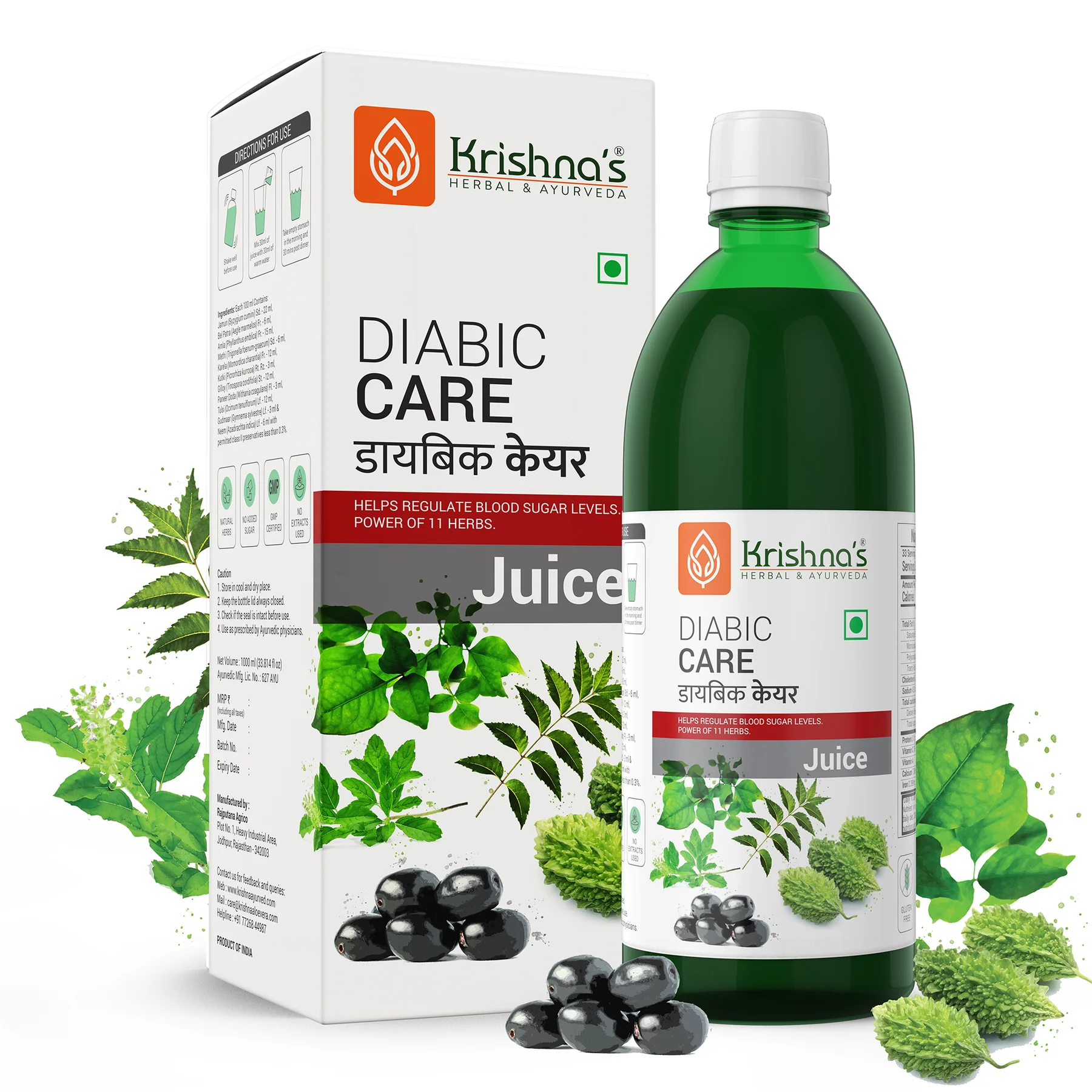
Try to include foods in your diet that do not raise blood sugar instantly, like the glycemic index foods. You may also use herbal or Ayurvedic options to help manage sugar levels, such as Krishna’s Diabic Care Juice. It’s made with ingredients like Gudmar, Vijaysar, Giloy, Methi, and Kutki, which have been used in traditional Ayurveda for blood sugar support. This juice is clinically proven to reduce HbA1c by 15% in 12 Weeks when used regularly along with medicine as part of your daily routine.
If you’re already on medication, don’t skip your doctor’s treatment plan. Natural methods should support your treatment, not replace it.
Lowering your HbA1c is a gradual process. It can sometimes take 3–6 months, but if you keep improving steadily, you will definitely start seeing positive changes.
Recent Articles







Related products

YOU MIGHT ALSO LIKE